
Heatstroke is a very serious condition in which dogs, cats, rabbits and guinea pigs, amongst other mammals, are no longer able to regulate their own temperature, resulting in a type of hyperthermia. It can progress quickly, and can cause seizures, organ damage and potentially be fatal. Therefore, it’s best to act quickly, or better yet, prevent it altogether!
Heatstroke is most often caused by exercising during hot temperatures, or by being stuck in a hot environment; for example, a car, conservatory, greenhouse, or hutch with no access to shade. Certain types of dogs and cats struggle with heatstroke more than others, such as overweight pets, young and elderly pets, giant breeds of dogs, and brachycephalic cats and dogs. Rabbits in general struggle to cool down in warmer temperatures due to them not being able to pant or sweat, and due to their thick dense coats- so they need a little extra TLC!
Signs of heatstroke include:
- Panting, drooling and foaming from the mouth
- Breathing fast and shallow
- Lethargy
- Vomiting and/or diarrhoea
- Bright red or pale gums
- Confusion
- Seizures
- Collapse or loss of consciousness
The quicker these signs are spotted and your pet is cooled down, the greater chance of recovery. Here are some quick tips for immediate first aid:
- Move out of hot environment and into a cool room or shade. Create as much breeze as possible using fans or open windows.
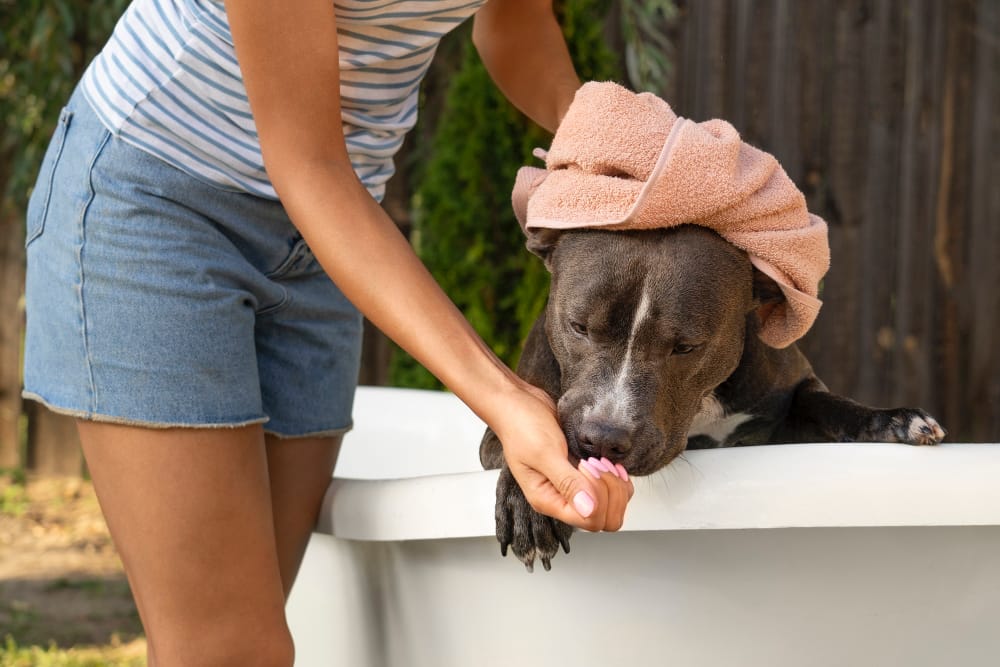
- Gently pour cold water over body, avoiding the head area, and in a calm manner if your dog or cat isn’t accustomed to water.
- For rabbits, focus on using the cold water to wet their ears and then proceed to their body, but only if they don’t panic.
- Place a cold wet towel UNDERNEATH your pet (but don’t cover them as it acts as a blanket!).
- Place a pack of frozen veg (wrapped in a towel) between the hind legs in bigger dogs, or sit your small dog, cat or rabbit on top of the pack (if they’ll allow).
- Offer them cool fresh water, but don’t force them to drink.
- Call us on 01772 963837 to let us know you’re on your way so we can prepare for you!
- Keep your pet as cool as possible on the journey to us using the air conditioner or having the windows open (safely!). Ideally have a second person join you to keep your pet cool during the journey.
Once you arrive to us, we will be prepared to take over the care of your pet and continue the hard work you have started! We will likely hospitalise your pet for a while in order to give them the best care possible, which will include continuing active cooling, and may include giving fluids via a vein and oxygen depending on what is indicated. We may decide that we need to run some diagnostic tests and/or give some medication, but we will discuss this with you. Your pet, once stabilised, will be looked after by our lovely team of nurses to ensure they come home to you feeling much better!
So now we’ve discussed all the worrying and scary parts, let’s talk about prevention so hopefully you can avoid that!
- On hot days (even if it looks cloudy), only walk them early in the morning or later at night. If your pet is overweight, young/elderly or the at-risk breeds, it is better to avoid exercise completely if you are unsure.
- Always provide fresh clean water, and adequate shade out of the sun. This includes on walks, in the house, and in any outdoor enclosures.
- If your pet enjoys the water, use paddling pools or sprinklers to keep them cool during the day.
- Routinely check greenhouses or sheds to ensure they haven’t got themselves trapped if your pet likes to adventure- particularly useful for cats!
- Avoid unnecessary car rides if possible; but if they can’t be avoided, then ensure the air conditioner is on or the windows are open, and plan for regular breaks to offer cool water.
- NEVER leave any pet in a car on a warm day, even if it doesn’t feel warm for us!
If you are ever concerned or unsure if your pet is exhibiting the signs; or even if you have any questions for us, don’t hesitate to get in contact with us on
01772 963837